


Introduction: A New Era of Sustainable Living in Wolverhampton
Wolverhampton is taking a bold step toward a greener, more sustainable future. Nearly 100 energy-efficient bungalows have been completed on the Lincoln Green Estate in Bushbury, marking one of the city’s most ambitious housing regeneration projects to date.
The first group of tenants is preparing to move in, as the city replaces defective post-war prefabs with eco-friendly homes designed for comfort, safety, and long-term energy savings.
Transforming Outdated Housing Into Sustainable Communities
The Lincoln Green Estate’s aging post-war homes had long struggled with structural and environmental issues. According to the City of Wolverhampton Council, the old properties suffered from leaking roofs, poor insulation, wet rot, and low thermal efficiency, making them costly to maintain and uncomfortable to live in.
Now, those homes are being replaced with modern, low-energy bungalows that meet the latest UK sustainability and efficiency standards. These new properties are expected to cut energy usage significantly, reducing carbon emissions while helping tenants save on heating and electricity bills.
“For the safety and comfort of our residents, we are delivering better homes in the long term — homes they can truly make their own,” said Councillor Steve Evans, Cabinet Member for City Housing.
A Greener Vision: Eco-Friendly Homes for the Future
The redevelopment project will see 93 outdated prefabs replaced with 36 energy-efficient bungalows by summer 2026 as part of the first phase.
The new properties feature:
- Superior insulation for optimized thermal performance
- Renewable energy systems such as solar-ready roofing
- Smart ventilation and lighting systems
- Accessible layouts adaptable to residents’ mobility needs
These features not only lower energy consumption but also enhance indoor air quality, contributing to residents’ health and overall well-being.
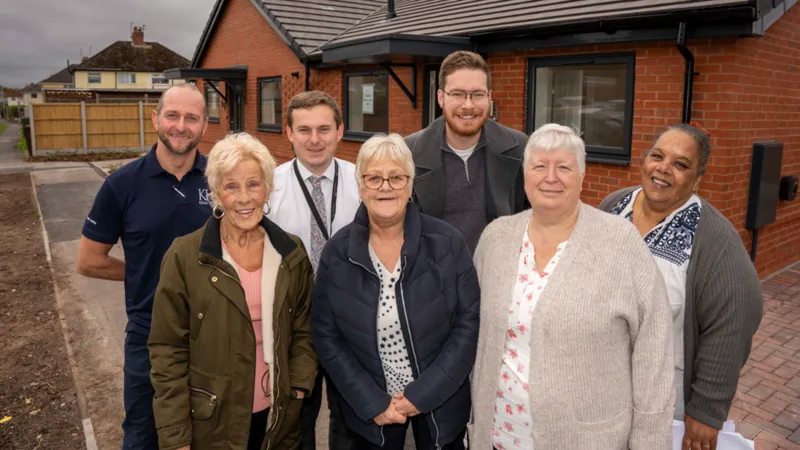
“This is going to have a massive impact on people’s wellbeing because they’ve got homes to be proud of,” said Diane Brookshaw, Chair of the Lincoln Green Estate Tenants and Residents’ Association.
Energy Efficiency Meets Comfort and Design
Each of the new homes has been crafted with modern design principles that combine aesthetic appeal with eco-efficiency. Built using sustainable materials and incorporating low-carbon construction techniques, these bungalows represent a model for future council housing projects across the UK.
The council emphasized that the homes are also easier to adapt to meet the changing needs of residents, particularly elderly or disabled tenants, ensuring inclusive and long-term livability.
Phase One Complete: Tenants Moving in This Month
The first five homes on School Lane are ready for occupancy, with tenants scheduled to move in at the end of the month. At the same time, demolition work continues across the estate, clearing the way for additional eco-friendly builds.
So far, 24 old properties have been demolished, paving the way for the next phase of development — a total transformation that will redefine community housing standards in Wolverhampton.
Community-Centered Regeneration: Prioritizing Local Residents
All existing council tenants from the outdated properties are being offered the opportunity to move into the new energy-efficient homes, ensuring no one is displaced from their community. Any remaining units will be allocated to local residents under the city’s housing policy, prioritizing families and individuals most in need.
This commitment ensures that regeneration doesn’t just mean rebuilding — it means reinvesting in people and neighborhoods, creating a stronger sense of community.
A Model for Sustainable UK Housing Projects
Wolverhampton’s energy-efficient housing initiative aligns with the UK government’s wider net-zero housing goals, which aim to drastically reduce emissions from residential buildings by 2050.
By integrating sustainable building practices, low-carbon technologies, and affordable housing principles, this project serves as a blueprint for other cities seeking to modernize aging housing estates while tackling climate change.
“We’re not just rebuilding homes — we’re building a sustainable legacy for future generations,” Evans added.
